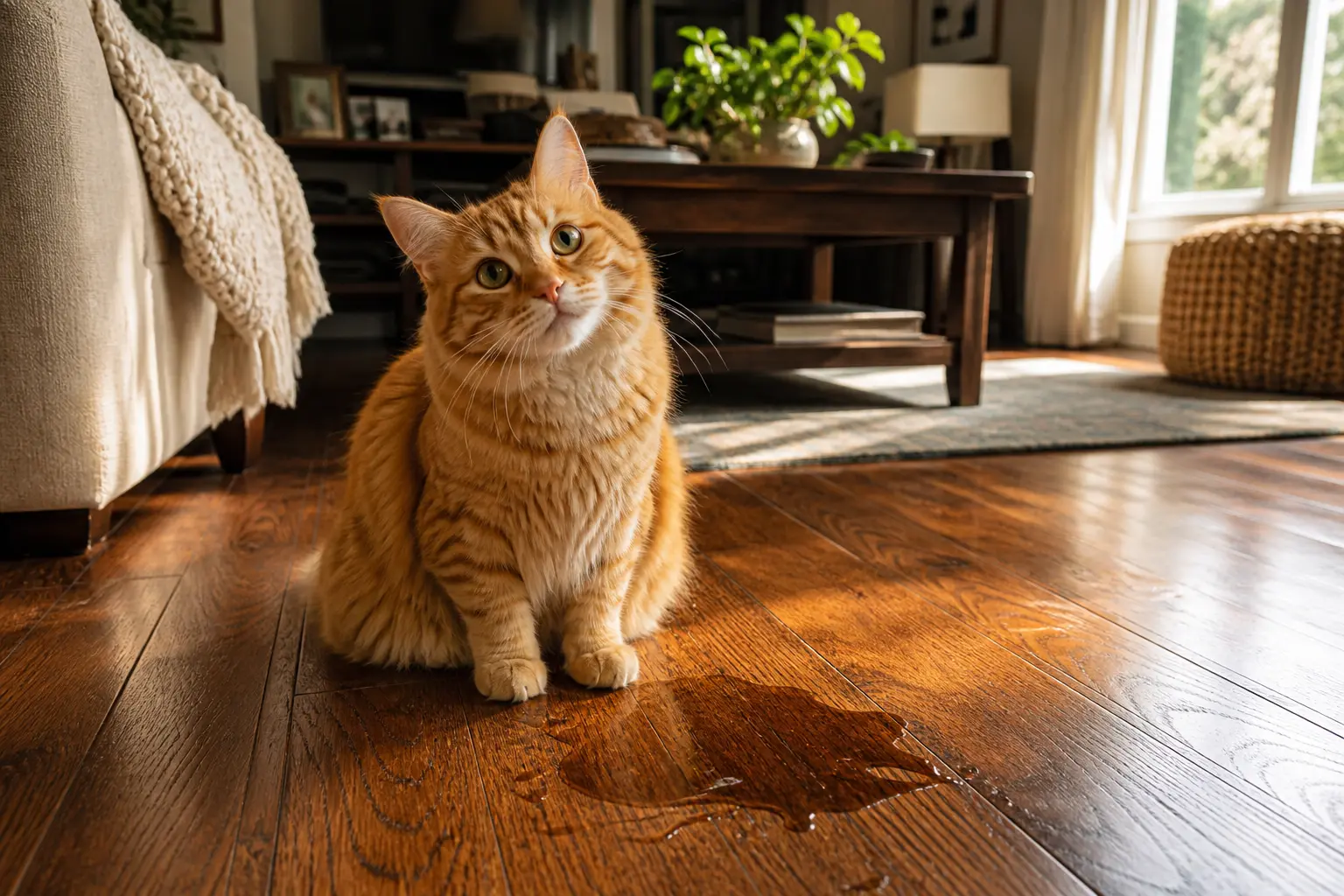
Hey friends, I’ve been a cat dad for over 15 years now, and let me tell you—my boy Simba has taught me more about patience (and cleaning) than I ever thought possible. We love our cats like family, but that moment when you walk into a room and get hit by that unmistakable cat pee smell? It’s enough to test anyone’s sanity. I’ve dealt with accidents on hardwood floors more times than I can count, and after plenty of trial and error, I finally figured out how to make the smell disappear for good without destroying my floors.
If you’re dealing with this right now, take a deep breath. You don’t have to rip up your beautiful wood or stay mad at your furry roommate. I’m going to walk you through exactly what works, based on real-life experience with Simba and the dozens of other cats I’ve helped over the years.
Why Cat Pee Smell Keeps Coming Back
Cat urine isn’t like other messes. It contains uric acid that forms stubborn crystals once it dries. These crystals burrow deep into the pores and grain of hardwood floors. Regular cleaners, soap, and water only touch the surface—they can’t break down those crystals. That’s why the smell vanishes for a bit, then comes roaring back when it gets humid or warm.
I learned this the hard way early on with Simba. I’d mop like crazy, but a few days later the whole room would smell again. Once I understood the science, everything changed.
Things You Should NEVER Use on Cat Pee
After years of mistakes, here’s what I beg you to avoid:
- Bleach: It damages the wood’s finish and color and doesn’t actually eliminate the uric acid.
- Ammonia-based cleaners: Since cat pee smells like ammonia, this just tells your cat, “Hey, bathroom’s right here!” Simba has proven this to me more than once.
- Steam cleaners: Heat sets the stain and smell permanently into the wood. Big no-no.
- Baking soda + vinegar: Great for minor fresh spots, but they only mask the odor temporarily.
The Real Secret Weapon: Enzyme Cleaners
If you want permanent results, enzyme cleaners are your best friend. These aren’t just cleaners—they contain beneficial enzymes (and sometimes bacteria) that literally eat and digest the uric acid crystals until they’re gone. Once the crystals are destroyed, the smell is gone for good.
I always keep a good pet-safe enzyme cleaner on hand now. You can grab them at most pet stores or online. After using them consistently for years with Simba, I won’t clean a urine spot any other way.
My Step-by-Step Method That Actually Works
Step 1: Blot, Don’t Rub If it’s fresh, grab a thick stack of paper towels and press down firmly. Soak up as much liquid as you can without rubbing it in deeper.
Step 2: Soak It with Enzyme Cleaner Spray the enzyme cleaner generously—really soak the area so it penetrates deep into the wood. Don’t be shy with it.
Step 3: Give It Time Let it sit for at least 10–15 minutes (follow your bottle’s instructions). This is where the magic happens. The enzymes need time to work.
Step 4: Wipe and Let Dry Wipe up the excess and let the floor air dry completely. For old, set-in accidents, I repeat this process over a couple of days.
Dealing with Dark Stains on Wood
Sometimes old pee leaves a dark shadow. Once the enzyme treatment is done and the floor is dry, I carefully dab 3% hydrogen peroxide on a clean rag, lay it over the spot, and check it every 10 minutes. It can lighten the stain without harsh chemicals. Always test in a hidden spot first!
How to Stop Your Cat from Peeing on the Floor Again
Cleaning is only half the battle. You also need to figure out why it’s happening. After 15 years with Simba, I’ve seen it all:
- Dirty litter box (scoop daily—cats are picky!)
- Not enough boxes (rule of thumb: one per cat + one extra)
- Stress from changes in the home
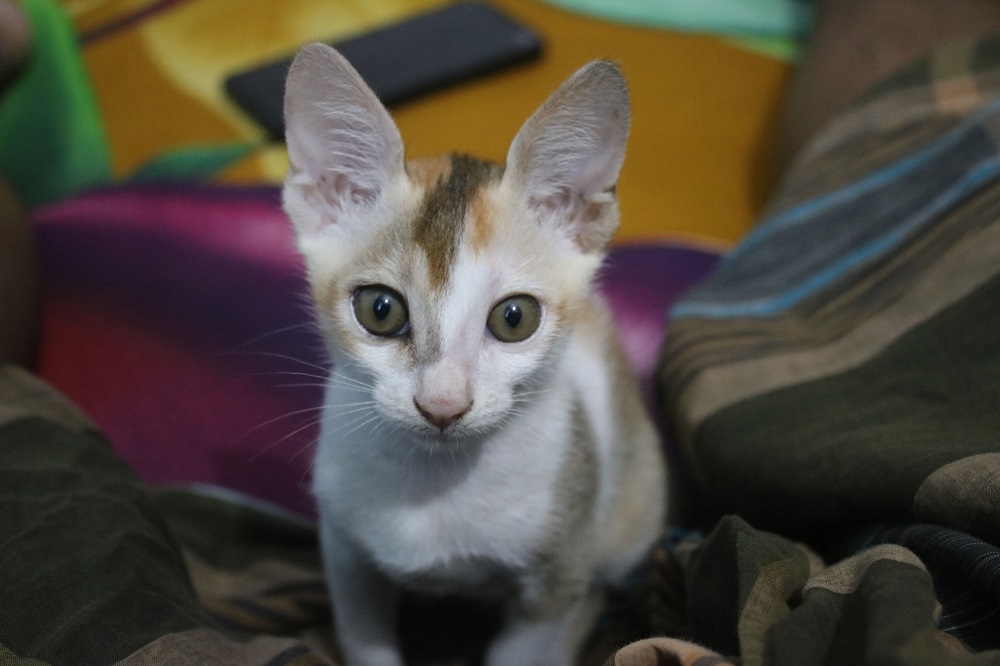
If you’ve recently introduced a new kitten to your resident cat, that can definitely trigger accidents. Check out this guide on how to safely introduce a new kitten to your grumpy resident cat — it’s saved me a lot of headaches.
For senior cats like my Simba is getting these days, discomfort from arthritis or joint pain can also play a role. Giving them a good orthopedic bed has made a noticeable difference in his comfort and behavior.
And while you’re making your home safer, don’t forget about plants. Here are 10 beautiful indoor plants that are 100% safe for cats.
A vet visit is always smart too—sometimes it’s a medical issue, not just behavioral.
Final Thoughts from a Tired-but-Happy Cat Dad
Dealing with cat pee on hardwood isn’t fun, but it’s fixable. Skip the bleach and ammonia, grab a quality enzyme cleaner, be patient, and address the root cause. Your home will smell fresh again, and your cat will be happier too.
Pro Tip: Always test any cleaner or peroxide in a hidden corner first. Better safe than sorry with your floors!
I’ve been where you are—frustrated, sniffing every corner, wondering if the smell would ever leave. Trust me, it does. Hang in there.
Frequently Asked Questions
Can vinegar remove cat pee smells from wood? It helps a little short-term but won’t destroy the deep crystals. Enzyme cleaner is the way for permanent results.
Why does my floor only smell when it rains or gets humid? Moisture reactivates those uric acid crystals. Classic sign the pee wasn’t fully broken down.
Will I have to replace my hardwood floors? Usually not. Fast action with enzymes saves most floors. Only deep rot after years of neglect might require replacing planks.
How long until the smell is really gone? You’ll notice improvement in 24 hours, but full drying over 2–3 days finishes the job.
Is enzyme cleaner safe around pets and kids? Yes, most are non-toxic. Just keep everyone off the wet area until it dries.
What if the smell won’t go away? It may have reached the subfloor. Soak deeper with more enzyme cleaner, or in extreme cases, you might need to sand and refinish that section.
You’ve got this. Give Simba a belly rub from me (if he’s in the mood), and send me a mental high-five when your floors finally smell clean again. 🐱


Leave a Comment
Reader Comments
No comments yet. Be the first to comment.