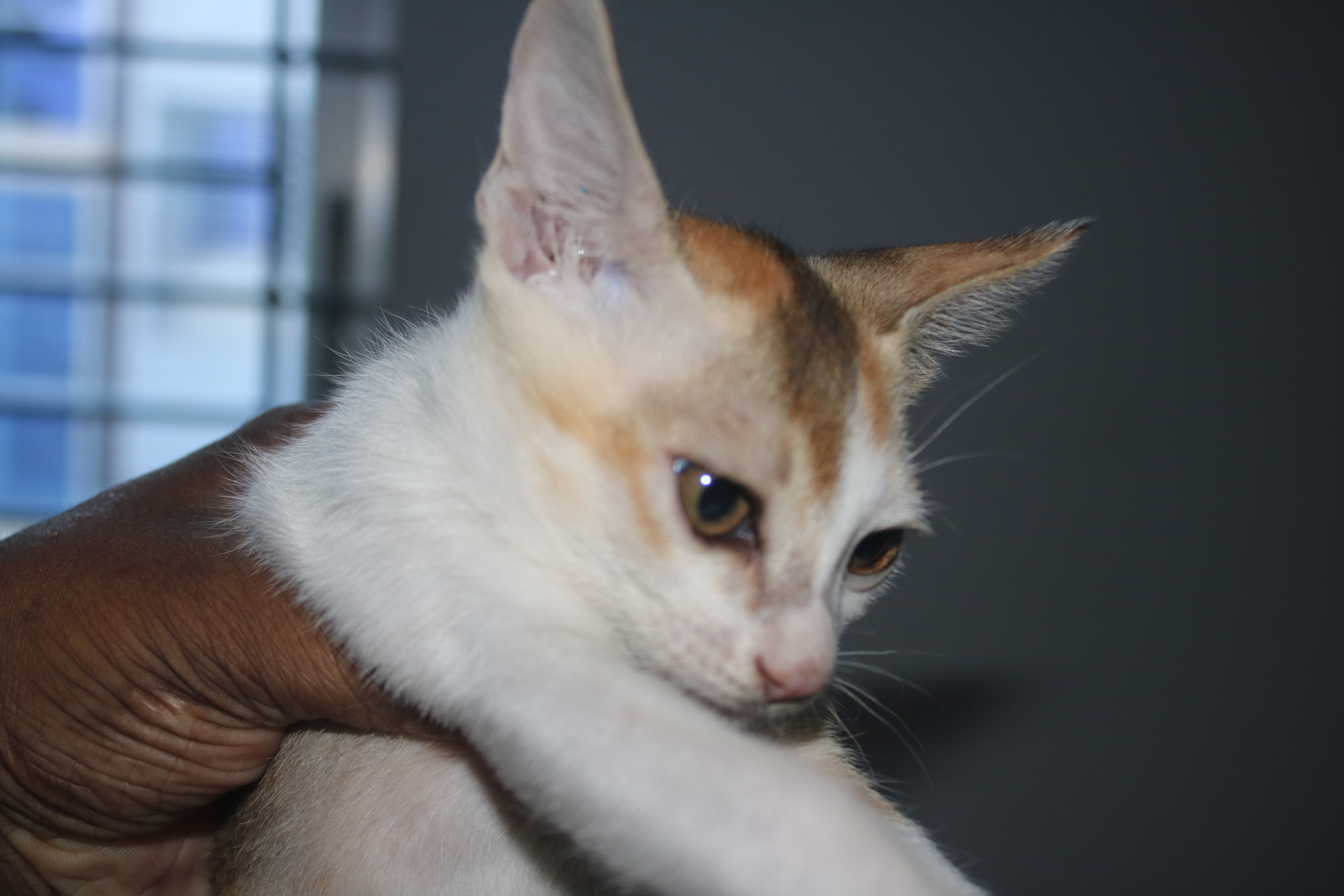
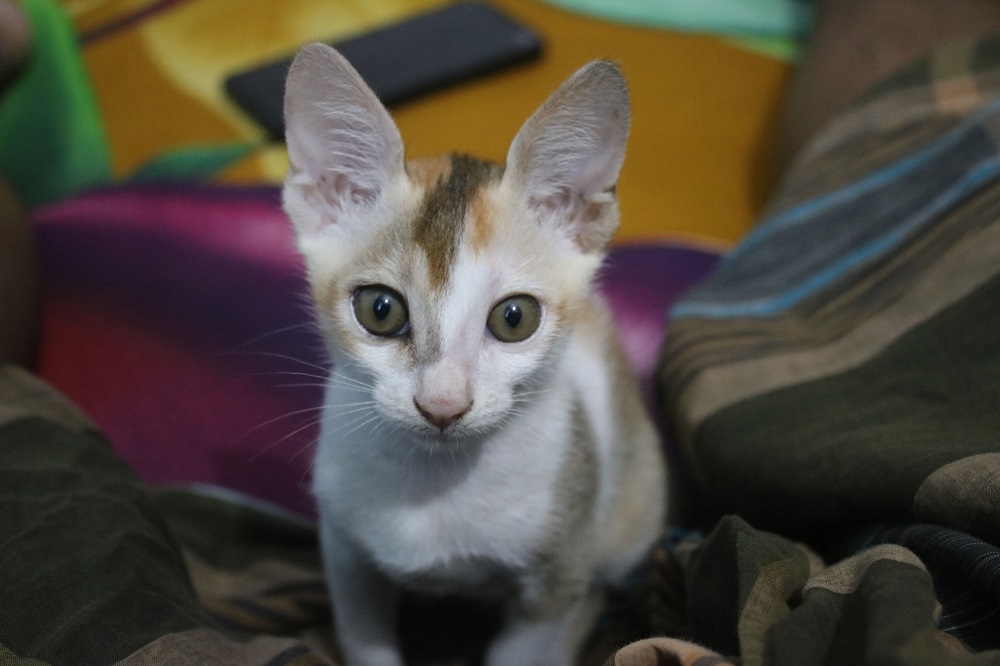
You finally brought home that tiny, fluffy kitten you've been dreaming about. The toys are ready, the bed is the softest one you could find, and your heart is full. But your older cat? Oh boy. He's hissing from the hallway, growling like you've betrayed him, and giving you that classic "how dare you" side-eye.
I've been right there with you—more times than I can count in my 15 years of living with cats. My own Simba was the king of the house for years before any newcomers showed up. That first introduction phase can feel heartbreaking, but trust me: with patience and the right steps, even the grumpiest resident cat can learn to tolerate—and sometimes even adore—the new baby. Cats hate sudden change, but they’re incredibly adaptable when we do things on their timeline.
Why Your Older Cat Is Acting Like a Total Grump
Your older cat isn’t being “bad.” He’s just being a cat. To him, this is his territory—his safe kingdom where he knows every corner, every sunbeam, and exactly where his dinner comes from. Suddenly there’s this tiny intruder zooming around, and he feels threatened. He worries he’ll lose his favorite spot on the couch, his share of your attention, or even his sense of security.
After years of watching this play out, I’ve learned that understanding their fear helps us respond with empathy instead of frustration. They’re not rejecting the kitten out of spite; they just need reassurance that nothing is being taken away.
My Step-by-Step Guide to a Peaceful Introduction
The golden rule I always tell people? Go painfully slow. Rushing is the fastest way to turn a temporary grump into long-term enemies. Here’s what’s worked for me and the dozens of families I’ve helped over the years.
Step 1: Give the Kitten Their Own Safe Room Right from day one, set up a small, quiet space just for the kitten—a bathroom, spare bedroom, or even a large playpen. Stock it with food, fresh water, a litter box, a scratching post, toys, and a cozy hiding spot like a cardboard box turned on its side.
Keep the door closed at first. This gives the little one time to adjust to the new smells and sounds of your home without feeling overwhelmed. At the same time, your older cat can sniff around the door and get used to the “intruder” without any visual pressure. It’s a low-stress way to start.
Step 2: Swap Scents Like Pros Cats live by their noses, so scent swapping is one of the smartest first moves. Grab a clean towel or soft sock and gently rub it on the kitten’s cheeks (where their friendly pheromones are). Then let your older cat investigate it—pair it with his favorite treat so he starts associating the new smell with good things.
Do the same in reverse with your resident cat’s scent for the kitten. I’ve seen this simple trick cut down on hissing dramatically because it makes the “stranger” feel more familiar.
Step 3: Controlled Peek-a-Boo Sessions Once they’ve been smelling each other under the door for a few days without major drama, it’s time for visual introductions. Crack the door open just a bit or use a tall baby gate so they can see each other but not touch.
One trick that’s worked wonders for me: feed them on opposite sides of the gate. Start with bowls far apart and gradually move them closer over several days. They learn that seeing the other cat = mealtime = something positive. Keep sessions short—5 to 10 minutes at first—and always end on a calm note.
Step 4: Short, Supervised Playdates When everyone seems relaxed during peek-a-boo, you can let them share the same room—but never unsupervised at this stage. Use wand toys or feather teasers to keep their focus on play instead of each other. This helps them associate being in the same space with fun rather than threat.
If your older cat starts getting overwhelmed, calmly scoop the kitten back to the safe room. No big deal—just try again tomorrow. Progress, not perfection.
Reading the Hissing and Growling
After 15 years, I can tell you there’s a big difference between normal “cat talk” and real trouble. A little hissing, growling, or a gentle swat without claws? Totally normal. Your older cat is simply setting boundaries and teaching the youngster some manners. Let him do it (within reason).
But watch for the serious signs: ears pinned flat back, fur puffed up like a Halloween cat, intense staring, hard biting, or bunny-kicking. If you see that, step in immediately. Clap your hands loudly to distract them, or use a piece of cardboard as a barrier. Never use your hands—trust me, you’ll regret it. Separate them and drop back to the previous step for a few more days.
Rules That Keep the Peace Long-Term
- Litter boxes: Follow the golden rule—one per cat, plus one extra. Place them in different areas so no one feels cornered.
- Feeding time: Feed them in separate spots, at least across the room from each other, until they’re fully comfortable.
- Vertical space: Give your older cat high perches and a tall cat tree so he can observe the kitten from a safe vantage point.
- Extra love for the resident: Make sure your first cat still gets plenty of one-on-one time—brushing, cuddling, and play sessions without the kitten around. They need to know they’re still your number one.
If your older cat seems stressed or stops eating, consider some natural calming support. I’ve had great success with calming pheromone diffusers—they release a scent that helps cats feel secure without any drugs.
For more on keeping your home calm, check out these resources from my experience:
- Does your cat hate still water? Here are 5 best automatic fountains they’ll actually use
- Save your sofa: A step-by-step guide to stopping indoor cats from scratching leather
- 7 natural remedies to calm your anxious cat during thunderstorms (and other stressful times)
And if your grumpy resident is getting up there in years, make sure he’s getting the nutrition he needs: Is your senior cat getting enough protein? Top 5 grain-free wet foods reviewed.
Final Thoughts from Someone Who’s Been There
Some cats become best friends in a week. Others take months before they can even nap in the same room without side-eye. That’s okay. Stay consistent, stay positive, and always let your older cat set the pace.
You’ve got this. With time, most households find their new normal—and sometimes, that grumpy old cat ends up with an unlikely little shadow following him around. It’s one of the sweetest things to watch.
Have you tried introducing a new kitten before? Drop your experiences in the comments—I love hearing what worked (or didn’t) for other cat parents.





Leave a Comment
Reader Comments
No comments yet. Be the first to comment.